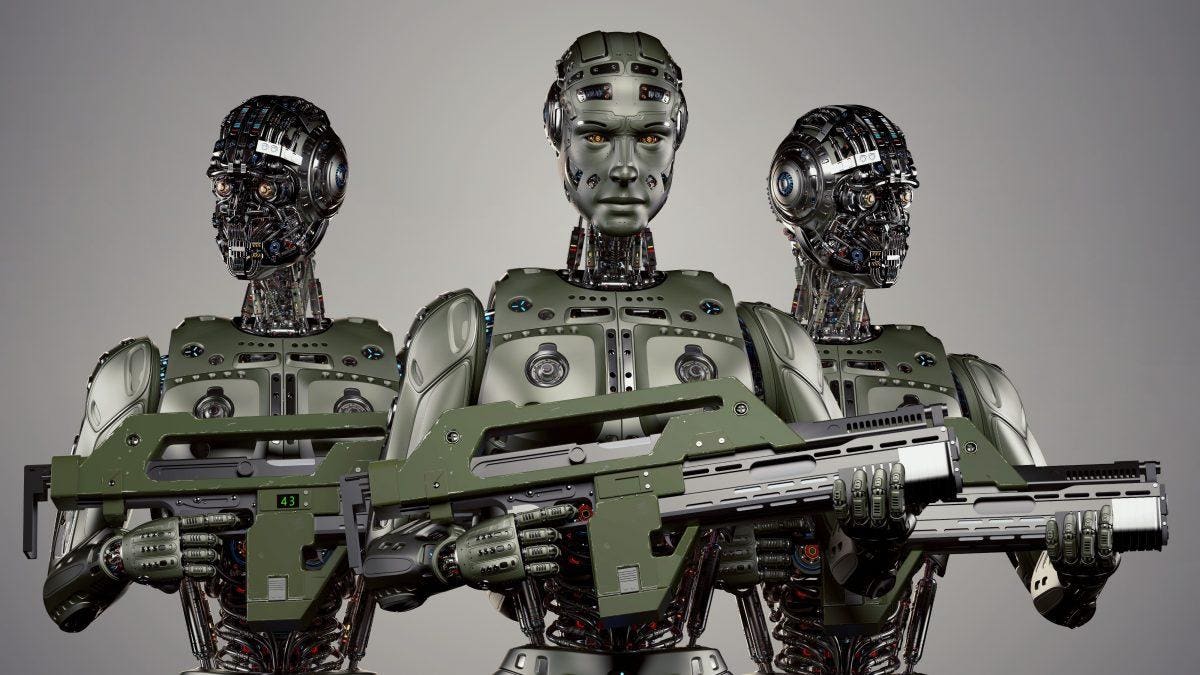
1.1 Introduction
Artificial intelligence (AI) represents humanity’s attempt to create machines that can perceive, reason, learn, and act intelligently. While computers excel at computationally intensive tasks, matching human intelligence and intuition has been an aspirational goal since the inception of general-purpose computers.
The field of AI has evolved through several distinct phases:
Early Excitement (1950s-1960s): Initial optimism about machines that could reason
First AI Winter (1970s): Reality check due to limited computational power
Expert Systems Era (1980s): Rise of knowledge-based systems
Second AI Winter (late 1980s-1990s): Collapse of LISP market and funding cuts
Machine Learning Renaissance (2000s-2010s): Revival through statistical methods
Deep Learning Revolution (2010s-present): Breakthrough with neural networks and massive data
1.2 What is Artificial Intelligence?
A branch in computer science that is concerned with the automation of intelligent behaviors.
Such as: Speech recognition, Visual perception, Language translation...
1.3 Roots of Artificial Intelligence
1.4 Timeline of AI History
The Turing Test
In 1950, Alan Turing proposed a test for machine intelligence that remains influential today.
Test Procedure:
All communication is text-based
Judge asks questions to two hidden respondents
One is human, one is computer
Computer “passes” if judge cannot reliably distinguish it
Current Status:
No system has convincingly passed the full Turing Test
Modern chatbots (ChatGPT) show impressive abilities but have clear limitations
AGI remains an aspirational goal, not a present reality
Criticisms of the Turing Test:
Tests deception rather than intelligence
Focuses on linguistic ability only
Doesn’t require understanding or consciousness
May be too anthropocentric


Applications of AI in Industry
Anomaly Detection: in processes and equipment
Optimize processes: Improve yield
Make smarter decisions and minimize risk
Predict future scenarios with neural networks


1.5 Is artificial intelligence dangerous?
AI can be dangerous if misused or poorly designed
Risks include:
Job displacement
Privacy concerns
Bias and discrimination
Autonomous weapons
Importance of ethical AI development and regulation